
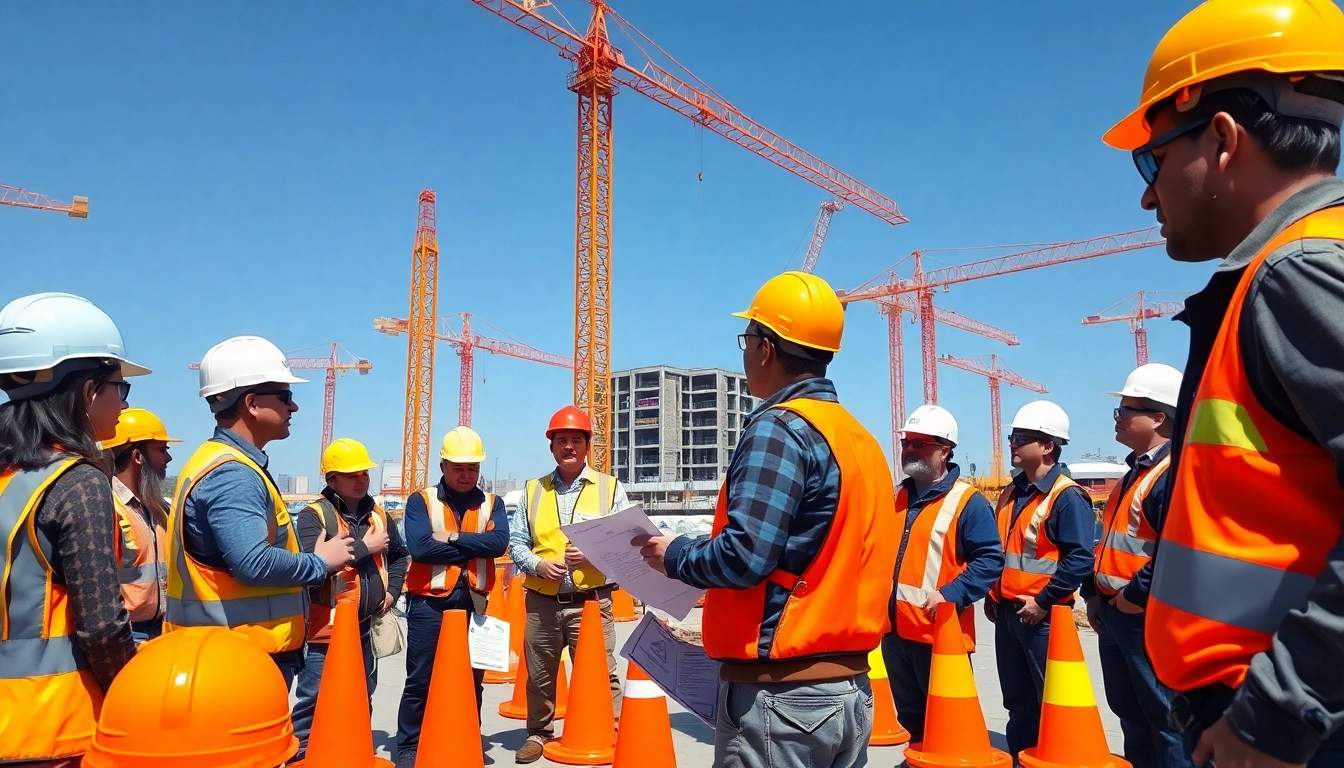
Enhancing Workplace Safety Through Construction Safety Training Strategies
Understanding Construction Safety Training
In an industry as dangerous as construction, prioritizing worker safety is not optional; it’s essential. Construction safety training is a critical component in ensuring that workers understand the potential hazards they face on job sites. This training encompasses various practices, procedures, and policies designed to create a safe working environment, thus significantly reducing the risk of accidents and injuries. It’s crucial for employers and employees alike to invest time and resources into construction safety training to foster a culture of safety and compliance.
Importance of Construction Safety Training
The importance of construction safety training cannot be overstated. Nearly every year, thousands of construction workers suffer injuries, some of which can be fatal. By providing effective training programs, companies not only comply with legal requirements but also promote worker morale, increase productivity, and reduce turnover rates. Safety training ensures workers are equipped with the knowledge to recognize hazards and respond appropriately, thereby minimizing risks on the job site. Furthermore, training can lead to fewer workplace accidents, lower insurance premiums, and reduced legal liabilities.
Key Components of Effective Training
Effective construction safety training comprises several key components. First, it should be comprehensive and cover a range of topics relevant to the specific hazards workers face on-site. Additionally, it must be interactive, engaging trainees through practical exercises, simulations, and discussions. Regular updates to training material are also essential, as they ensure that the information is current and that workers are aware of the latest safety standards and compliance regulations. Finally, effective training includes assessments to measure understanding and retention of the information presented.
Common Myths About Construction Safety Training
There are several myths surrounding construction safety training that can undermine its effectiveness. One prevalent myth is that training is unnecessary for experienced workers since they already know the risks. However, even seasoned professionals benefit from ongoing training as new safety protocols and technologies emerge. Another myth is that training is only about compliance with laws and regulations, rather than being a proactive tool for enhancing safety culture. Overcoming these misconceptions is vital for fostering an atmosphere where safety is genuinely valued and prioritized.
Types of Construction Safety Training Programs
On-The-Job Safety Training
On-the-job safety training is critical as it allows workers to learn safety protocols in real-time, in the environment where they will be working. This type of training typically involves hands-on experience under the supervision of a qualified safety officer or supervisor. It focuses on specific tasks, hazards, and safety equipment relevant to a particular job site, thus enhancing the practical application of safety knowledge.
Classroom-Based Safety Education
Classroom-based safety education provides a structured learning environment where trainees can gain theoretical knowledge about safety practices. These sessions often include lectures, group discussions, and multimedia presentations. Topics can cover everything from understanding safety regulations to specific hazards related to the construction industry. This type of training is particularly effective for introducing new safety concepts or regulations that require thorough comprehension.
Online Safety Training Resources
With the rise of digital technology, online safety training resources have become increasingly popular. These resources provide flexibility and convenience, allowing workers to complete training at their own pace. Online courses can include video tutorials, interactive quizzes, and forums for discussion. They offer a wide range of topics and can be particularly beneficial for companies with remote operations or employees based at different locations.
Implementing Effective Construction Safety Training
Identifying Training Needs
Identifying the specific training needs of an organization is the first step in implementing effective construction safety training. This involves assessing the types of operations, the specific hazards, and the overall safety culture of the workplace. Gathering input from employees, reviewing incident reports, and conducting safety audits can help identify knowledge gaps and areas where training is necessary. This data-driven approach ensures that the training provided is relevant and effective in reducing risks.
Adapting Training for Diverse Workforces
Every workforce is unique, and effective training programs must reflect that diversity. This may involve tailoring content for different languages, literacy levels, and cultural sensitivities. Employers should recognize that a one-size-fits-all approach is ineffective. Customizing training methodologies—be it visual aids for those who learn better through images or hands-on demonstrations for those who thrive in practical environments—can significantly enhance understanding and retention.
Using Technology in Training
Technology can play a pivotal role in enhancing construction safety training. Utilizing virtual reality (VR) and augmented reality (AR) can provide immersive experiences that simulate hazardous scenarios in a controlled setting, enabling workers to practice safe behaviors without the risks associated with real-life situations. Moreover, mobile applications and e-learning platforms can facilitate continuous training and access to safety resources, ensuring that workers remain vigilant about safety protocols.
Evaluating the Success of Construction Safety Training
Measuring Training Effectiveness
Evaluating the success of construction safety training involves measuring its effectiveness through various metrics. This can include tracking workplace incident rates, employee retention, and overall productivity levels. Furthermore, pre- and post-training assessments can gauge knowledge retention and understanding. If the data indicates improvements, it validates the effectiveness of the training programs, while a lack of improvement may signal a need for reassessment and adjustments.
Gathering Feedback from Trainees
Feedback from trainees is essential for understanding the impacts of safety training. Anonymous surveys, interviews, and informal discussions can provide insight into trainees’ experiences and areas for improvement in the training program. Workers should feel comfortable communicating their thoughts, as this feedback is invaluable in refining training approaches to ensure they meet the needs of the workforce.
Adjusting Programs Based on Results
It’s imperative that training programs reflect the feedback gathered and the evaluation results. Regular reviews of training content, delivery methods, and overall structure allow organizations to remain agile and proactive in their safety approaches. Continuous improvement not only enhances the effectiveness of training but also demonstrates a commitment to worker safety, empowering employees and fostering a positive safety culture.
FAQs About Construction Safety Training
What is construction safety training?
Construction safety training is a program designed to educate workers about potential job site hazards and safe practices to minimize risks, ensuring a safer working environment.
How long does construction safety training last?
The duration of construction safety training can vary widely, typically lasting from a few hours to several days, depending on the depth of the content and specific training requirements.
Who needs construction safety training?
All construction workers, supervisors, and personnel involved in construction activities should undergo safety training to ensure they understand the necessary safety protocols to maintain a hazard-free workplace.
Are there certifications for construction safety training?
Yes, several organizations offer certifications for construction safety training, demonstrating a worker’s understanding of safety protocols and regulations in the construction industry.
What are the main topics covered in construction safety training?
Main topics in construction safety training include hazard recognition, personal protective equipment (PPE), emergency response procedures, and specific safety regulations relevant to construction operations.