
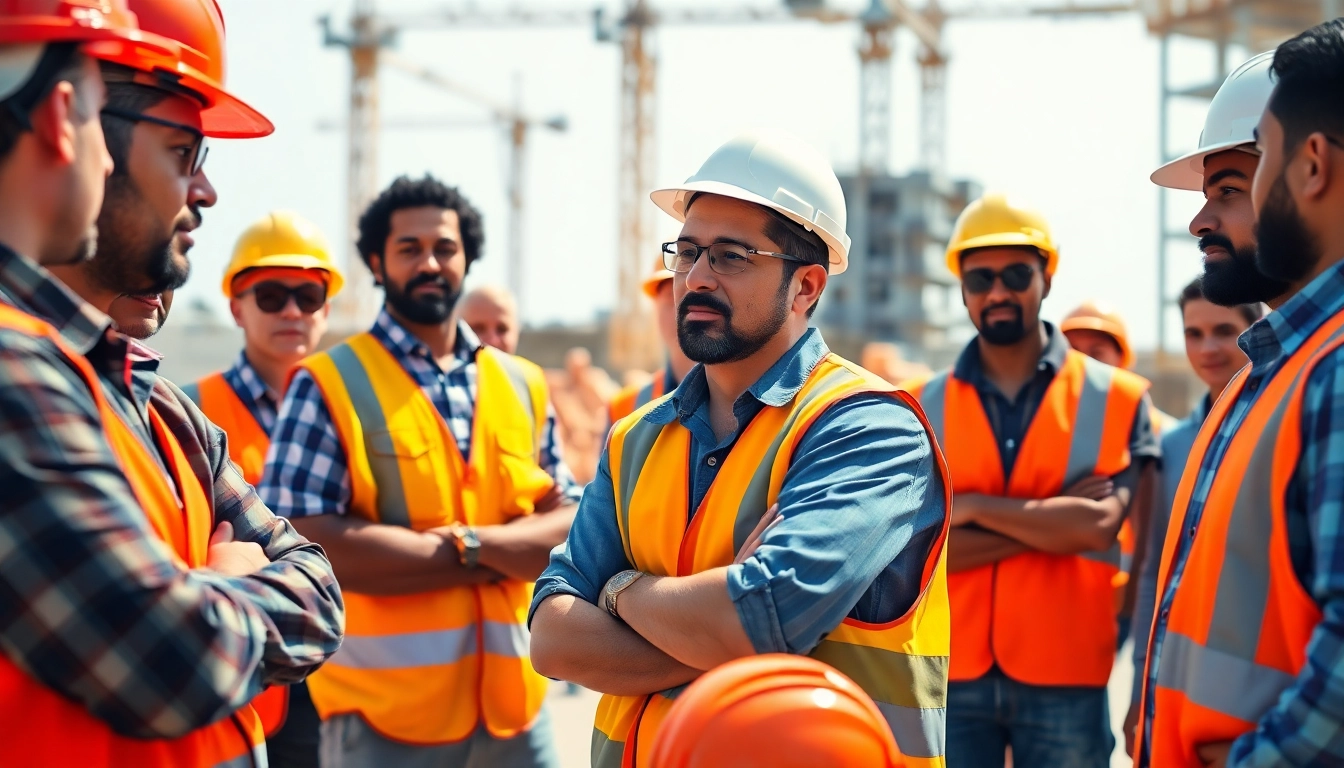
Elevate Your Skills: Comprehensive Construction Safety Training for All Professionals
- Understanding the Importance of Construction Safety Training
- Key Components of Effective Construction Safety Training
- Best Practices for Implementing Construction Safety Training
- Common Challenges in Construction Safety Training
- Measuring the Impact of Construction Safety Training
- Frequently Asked Questions
Understanding the Importance of Construction Safety Training
The Role of Safety Training in Construction
Construction is one of the most hazardous industries, with workers facing various risks daily. This is where construction safety training comes into play, equipping workers with crucial knowledge and skills to navigate these hazards safely. Safety training fundamentally shapes a safety culture on job sites, emphasizing the importance of following protocols and promoting proactive risk management. Understanding the role of safety training is essential not just for compliance but as a fundamental aspect of worker well-being and organizational integrity.
Legal Requirements and Compliance
Legal compliance in the construction industry is governed by numerous regulations, notably Occupational Safety and Health Administration (OSHA) standards in the United States. These standards mandate that employers provide adequate safety training tailored to the specific dangers of their operations. Compliance protects workers and shields the company from potential liabilities, fines, and other legal repercussions. Regular audits and assessment procedures must be in place to ensure ongoing compliance with evolving regulations, which can vary by region and project type.
Benefits of Investing in Safety Training
Investing in safety training leads to numerous tangible and intangible benefits. Companies that prioritize safety enjoy lower accident rates, which directly correlates with reduced insurance costs and fewer medical expenses. Furthermore, a strong safety training program enhances employee morale and retention, fostering a sense of security and value among workers. Additionally, businesses committed to safety can enhance their reputation, attracting clients who prioritize responsible project execution.
Key Components of Effective Construction Safety Training
Developing Training Programs
Developing an effective safety training program requires comprehensive planning and an understanding of the specific risks associated with a construction site. Programs should begin with hazard identification, followed by the development of relevant training content that addresses these risks. It is crucial to involve stakeholders, including safety officers and frontline workers, in the development process to tailor the training to real-world scenarios and practical application on the job site.
Choosing the Right Training Methods
Various methods can be employed to deliver construction safety training, including in-person workshops, online courses, and hands-on simulations. Selecting the appropriate method hinges on the workforce’s needs, the complexity of the training material, and budget considerations. A blended learning approach, combining multiple methods, often yields the best results, allowing for both theoretical understanding and practical experience.
Evaluating Training Effectiveness
Evaluating the effectiveness of safety training is essential to ensure that goals are met and improvements are made where necessary. This can be achieved through assessments, quizzes, and practical demonstrations after training sessions. Organizations should also track injury rates and conduct regular safety audits to gather data on the training’s impact over time, allowing for continuous enhancement of training programs.
Best Practices for Implementing Construction Safety Training
Engaging Workers in the Learning Process
Engagement is key to effective learning. Involving workers in the decision-making process regarding training content and methods can significantly enhance their buy-in. Strategies such as interactive sessions, group discussions, and sharing personal safety experiences can create a more dynamic learning environment. Regularly soliciting feedback helps adapt the training to worker needs and preferences, boosting overall engagement.
Incorporating Technology in Training
Technology has become an invaluable ally in safety training. Virtual reality simulations, interactive e-learning platforms, and mobile applications can provide immersive and engaging experiences that traditional methods may lack. These technologies can simulate real-world scenarios, allowing workers to practice their responses to emergency situations without real-world risks. Furthermore, tech solutions can help track progress and compliance efficiently.
Continuous Learning and Improvement
Construction safety training should not be a one-time event but an ongoing process. As industry standards evolve and new technologies emerge, continuous learning opportunities—such as refresher courses and advanced training for existing workers—become obligatory. Building a culture of safety accountability encourages ongoing education and makes safety a shared priority among all personnel, fostering a proactive rather than reactive safety environment.
Common Challenges in Construction Safety Training
Overcoming Resistance to Training
Resistance to training can stem from various factors, including skepticism about its effectiveness or a feeling of time constraints among workers. To combat this, it is essential to communicate the benefits of safety training clearly. Using real-life incident case studies can illustrate the value of training. Additionally, incentivizing participation through rewards or recognition can motivate workers to engage in safety programs more actively.
Addressing Diverse Learning Needs
Workforces in construction are often diverse, encompassing varying ages, educational backgrounds, and learning preferences. Tailoring training programs to accommodate these differences ensures that all workers assimilate the material effectively. Offering training in multiple formats—visual, auditory, and kinesthetic—can help meet diverse learning needs and ensure inclusivity.
Budget Constraints and Solutions
Budget constraints are common obstacles faced by many construction companies when implementing safety training. However, cost-effective solutions exist. Many organizations use in-house resources or develop collaborative partnerships with local safety organizations to deliver training. Investing in scalable online training platforms can also reduce costs in the long run while providing flexibility and accessibility for workers.
Measuring the Impact of Construction Safety Training
Key Performance Indicators for Safety Training
Organizations must define Key Performance Indicators (KPIs) to measure the effectiveness of safety training. KPIs may include the number of reported incidents, worker feedback scores, training completion rates, and compliance with safety audits. Establishing these metrics allows companies to gauge the success of their training programs and identify areas for improvement.
Analyzing Incident Reports
Incident reports provide valuable insights into the effectiveness of safety training. Analyzing these reports can reveal patterns and trends that indicate whether training is adequately addressing risks or if additional focus is needed. By tracking incident frequencies pre- and post-training, organizations can discern the impact of their training efforts on workplace safety.
Gaining Feedback from Participants
Feedback from participants is crucial for refining safety training programs. Conducting surveys, interviews, or informal discussions after training sessions provides insight into the perceived relevance and effectiveness of the material presented. This feedback can guide adjustments that enhance the training’s applicability and ensure that it meets the workforce’s needs continuously.
Frequently Asked Questions
What is construction safety training?
Construction safety training helps workers understand and apply safety protocols to prevent workplace accidents.
Why is construction safety training important?
It minimizes risks, ensures compliance with laws, and fosters a safety-oriented culture within the workforce.
How often should safety training be conducted?
Regularly, including initial onboarding and refresher courses at intervals to keep skills up-to-date.
What topics are covered in safety training?
Topics include hazard recognition, emergency procedures, equipment safety, and personal protective gear.
Who should attend construction safety training?
All construction personnel, including management, laborers, and subcontractors, should participate.