
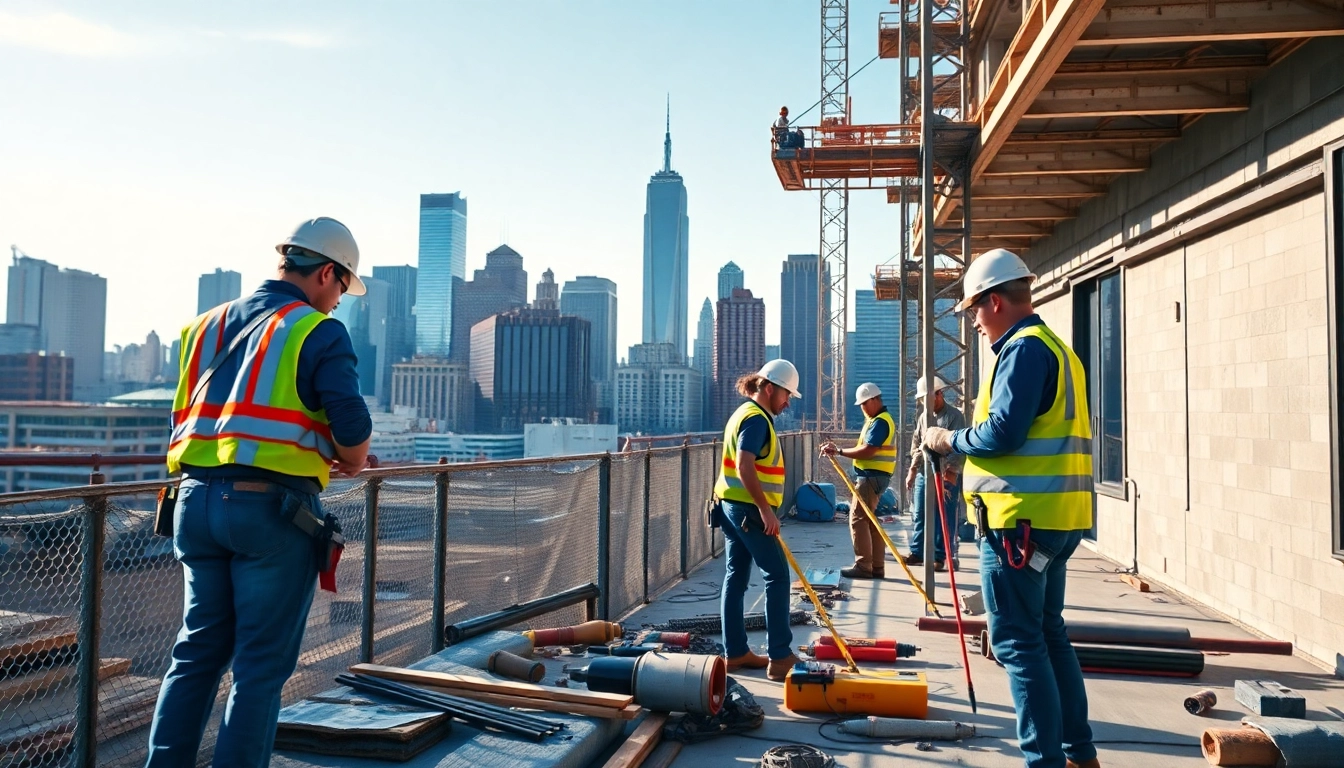
Leading the Way as a New York Commercial General Contractor: Strategies for Success
- Understanding the Role of a New York Commercial General Contractor
- Benefits of Hiring a New York Commercial General Contractor
- Choosing the Right New York Commercial General Contractor for Your Project
- Best Practices for Collaborating with a New York Commercial General Contractor
- Future Trends in the New York Commercial General Contracting Industry
- Frequently Asked Questions
Understanding the Role of a New York Commercial General Contractor
In the bustling landscape of New York’s commercial construction industry, the New York Commercial General Contractor plays a pivotal role. This expert is responsible for overseeing construction projects from inception to completion, ensuring that everything runs smoothly, on budget, and meets the high expectations of clients. This article will delve into the multifaceted responsibilities, benefits, and evolving trends within commercial general contracting in New York.
The Importance of Commercial General Contracting
Commercial general contracting serves as a foundation for myriad construction projects, from office buildings and retail spaces to multi-use developments. The critical importance of a commercial general contractor stems from their ability to integrate various trades, manage complex tasks, and navigate the rigorous regulatory environment of New York’s construction landscape.
These contractors act as the main point of contact for all parties involved, including subcontractors, suppliers, and clients. Their expertise not only streamlines the construction process but also enhances overall project efficiency, reducing delays and mitigating risks.
Key Responsibilities and Tasks
The responsibilities of a New York Commercial General Contractor are extensive and vary with each project. Some key tasks include:
- Project Planning: Developing a thorough project plan that includes timelines, budgets, and resource allocation.
- Managing Subcontractors: Selecting and overseeing subcontractors while ensuring they adhere to contract specifications and standards.
- Quality Assurance: Implementing quality control measures to guarantee that the construction meets design specifications and standards.
- Communication: Maintaining open lines of communication with all stakeholders to keep everyone informed about project progress and issues.
- Problem Solving: Addressing any challenges that arise on-site quickly and effectively to keep the project on track.
Qualifications and Skills Required
Successfully navigating the complexities of commercial construction requires a unique blend of qualifications and skills. A New York Commercial General Contractor typically possesses:
- Educational Background: A degree in construction management, civil engineering, or a related field.
- Experience: Extensive on-the-job experience in construction, often beginning as laborers or subcontractors before advancing to management roles.
- Licensing: Proper licensing and certification as mandated by New York state laws and regulations.
- Project Management Skills: The ability to effectively manage time, resources, and workforce.
- Communication Skills: Strong written and verbal communication skills to interact with various stakeholders.
Benefits of Hiring a New York Commercial General Contractor
Leveraging the expertise of a New York Commercial General Contractor can bring substantial benefits to any construction project, particularly in a competitive and regulated environment like New York.
Streamlined Project Management
One of the primary advantages of hiring a commercial general contractor is the streamlined project management they provide. Coordinating numerous trades, schedules, and organizational aspects can be overwhelming for property owners. A contractor can take this burden off their shoulders by implementing structured management systems and effective planning, ensuring timelines and budget constraints are adhered to.
Access to Skilled Labor and Resources
Commercial general contractors have established relationships with networks of skilled laborers and subcontractors, enabling them to mobilize the right resources as needed. This network can significantly reduce the time it takes to fill specific roles and connect with specialty services that may be required for niche aspects of a project.
Compliance with Local Regulations
Navigating the myriad of local laws and building codes in New York can be daunting. A well-versed contractor understands these regulations inside and out, ensuring compliance to prevent costly delays or legal issues. They can address permits, inspections, and other regulatory needs with expertise, which contributes to a smoother construction process.
Choosing the Right New York Commercial General Contractor for Your Project
With the stakes involved in commercial construction, selecting the right contractor is critical. Here are key considerations to ensure you make an informed choice.
Evaluating Experience and Expertise
When assessing potential contractors, prioritize those with a proven track record of successfully completed projects similar to yours. Look for specific expertise in the type of building or renovation you are undertaking, and assess their experience handling projects of similar scope and complexity.
Checking References and Reviews
A solid reputation is vital in the construction industry. Request references from past clients and follow up with them to gauge satisfaction levels regarding project delivery, communication, and overall professionalism. Additionally, exploring online reviews can provide insights into the contractor’s reliability and work quality.
Understanding Pricing and Contracts
Before finalizing your contractor of choice, ensure that you fully understand their pricing structure and contractual obligations. Detailed contracts should outline costs, timelines, and specific deliverables. Transparent pricing models, whether fixed, cost-plus, or time-and-material, should be thoroughly discussed to avoid surprises later.
Best Practices for Collaborating with a New York Commercial General Contractor
Effective collaboration with your contractor can greatly enhance project outcomes. Here are strategies to ensure a productive partnership.
Effective Communication Strategies
Clear and consistent communication forms the backbone of successful collaborations. Establish regular check-in meetings to discuss progress, challenges, and upcoming tasks. Utilize digital tools for project tracking and updates so you and your contractor remain on the same page throughout the project lifecycle.
Setting Clear Expectations
At the project’s onset, set transparent expectations regarding timelines, budget limits, and quality standards. Clear objectives create a mutual understanding and help steer project progress effectively without misunderstandings or frustrations.
Monitoring Progress and Quality Control
Regularly monitor project progress by visiting the site and holding scheduled review meetings. Establish quality benchmarks to ensure that work meets your expectations and industry standards. Active involvement can enhance accountability and diminish potential issues early in the process.
Future Trends in the New York Commercial General Contracting Industry
The commercial construction industry in New York is ever-evolving, influenced by various trends and external factors. Understanding these trends is paramount for players in the sector.
Embracing Sustainable Practices
With growing concerns around climate change and environmental sustainability, adopting sustainable practices within construction has become paramount. Many New York contractors are incorporating eco-friendly materials, renewable energy sources, and waste-reducing techniques into their projects, aligning with both market demand and regulatory shifts toward sustainability.
Technological Innovations in Construction
Technological advancements are reshaping the construction industry. From Building Information Modeling (BIM) to augmented reality tools that enhance design collaboration and site management, keeping pace with technology not only improves project efficiency but also provides a competitive edge in the marketplace.
Adapting to Economic Changes
The commercial contracting sector must continuously adapt to fluctuations in the economy, which can affect supply chains, labor costs, and project financing options. Flexibility in responses to these changes ensures that contractors can maintain project viability and support their client needs even amid economic uncertainty.
Frequently Asked Questions
What does a New York Commercial General Contractor do?
A New York Commercial General Contractor oversees and manages commercial construction projects, coordinating trades, schedules, and ensuring compliance with local regulations.
How do I find a reputable contractor?
Seek recommendations, check online reviews, and assess references from previous clients to evaluate the contractor’s reputation and experience.
What are the benefits of using a general contractor?
Using a general contractor streamlines project management, provides access to skilled labor, and ensures compliance with local building codes and regulations.
How much do general contractors charge?
General contractors typically charge based on a percentage of the project cost, a fixed fee, or a time-and-materials basis. Understanding the pricing structure before signing a contract is crucial.
What should I look for in a contract?
Ensure the contract clearly outlines project scope, timelines, payment terms, deliverables, and any warranty or liability clauses to protect your interests.