
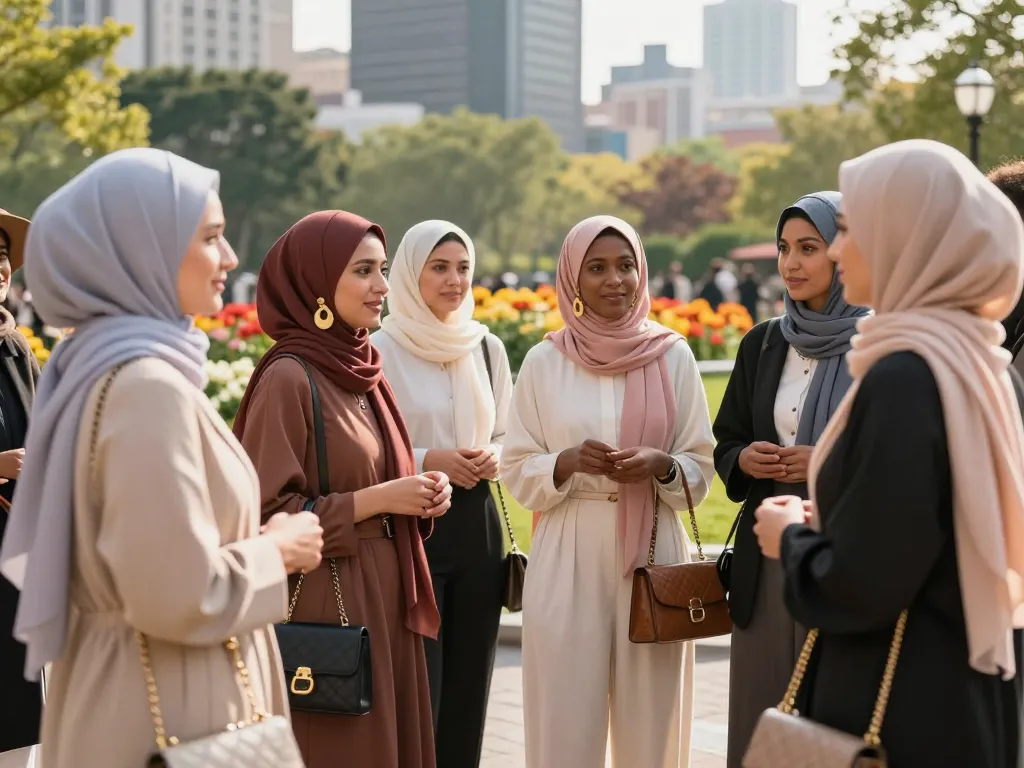
Essential Hijab Style Tips for Modern Fashion in 2026
Understanding The Concept of Hijab
The hijab, a term derived from the Arabic word for “cover,” represents not only a physical garment but also a significant cultural and religious symbol for many Muslim women around the world. Widely recognized for its role in modesty, the hijab encompasses a variety of styles and interpretations, each reflecting the beliefs and fashion sensibilities of its wearer. Understanding the hijab goes beyond its physicality; it is rooted in rich traditions and carries profound meanings that vary across different cultures.
When exploring options, Hijab provides comprehensive insights into the diverse styles and fabrics available today.
What is Hijab and its Cultural Significance?
The hijab is primarily known as a headscarf worn by Muslim women, which covers their hair, neck, and sometimes shoulders, leaving the face visible. Its practice is deeply ingrained in Islamic teachings, where modesty is emphasized for both genders. The hijab acts as a statement of faith and identity, signaling dedication to one’s beliefs. Culturally, its significance can vary; in some regions, it represents traditional values, while in others, it has been embraced as a fashion statement. The hijab can also symbolize empowerment, allowing women to take control over their bodies and how they present themselves to the world.
Different Types of Hijabs Used Worldwide
There are numerous styles of hijabs, each with unique characteristics and names. Some popular types include:
- Hijab: A general term for headscarf; covers hair and neck.
- Chador: A full-body cloak worn in Iran, covering the body except for the face.
- Niqab: A face veil that covers the face, leaving only the eyes visible.
- Shayla: A long, rectangular scarf, typically worn over the shoulders.
- Al-Amira: A two-piece hijab consisting of a fitted cap and a scarf.
Each style reflects varying traditions, religious interpretations, and fashion trends, allowing for personal expression through the choice of fabric, color, and style.
Common Misconceptions About Hijab
Despite its significance, the hijab is often subject to misconceptions. Some common myths include:
- All Muslim women are required to wear the hijab: While many Muslim women choose to wear the hijab, it is not mandatory in all interpretations of Islam.
- Wearing hijab is oppressive: Many women view the hijab as an empowering choice that allows them to express their faith and individuality.
- Hijabs are always black or boring: In reality, hijabs come in a myriad of colors, patterns, and fabrics that can reflect personal style and personality.
The Evolution of Hijab Fashion
The hijab has undergone significant transformations over the decades, adapting to changes in societal norms, fashion trends, and cultural influences. Its evolution reflects broader societal changes regarding women’s rights, identity, and self-expression.
Historical Context and Modern Interpretations
Historically, the hijab has been worn by women in various cultures long before the advent of Islam. In the Islamic context, it became more standardized in the 7th century. Over the years, the interpretation of the hijab has shifted, influenced by modern fashion designers and global trends. Today, we see diverse interpretations, from traditional styles to contemporary, high-fashion hijabs that incorporate luxurious materials and innovative designs, allowing women to embrace their faith without compromising on style.
The Influence of Social Media on Hijab Styles
Social media platforms have revolutionized the way hijab fashion is perceived and marketed. Influencers and fashion bloggers showcase hijab styles that resonate with younger generations, promoting creativity and personalized styles. Platforms like Instagram and TikTok have become spaces where women share styling tips, collaborate with designers, and promote brands that align with their ethical values, ultimately contributing to a richer, more diverse hijab fashion landscape.
Awareness and Acceptance in Global Fashion Trends
As global awareness of diverse cultures grows, hijab fashion is becoming increasingly accepted within mainstream fashion. Major fashion houses are now featuring hijab-wearing models, and designers are incorporating hijab-friendly pieces into their collections. This shift signifies not only a growing acceptance of cultural diversity but also a recognition of the importance of modesty in fashion.
Choosing the Right Hijab for You
With an array of styles and materials available, finding the right hijab involves considering personal preferences and individual needs. Here are some essential factors to consider:
Factors to Consider When Picking a Hijab
- Purpose: Are you looking for everyday wear, an occasion, or a special event? Understanding the purpose can guide your selection.
- Comfort: The chosen hijab should be comfortable to wear for extended periods, especially in warmer climates.
- Style: Think about the styles that resonate with your personality and how they complement your wardrobe.
Fabric Types and Their Suitability for Different Seasons
The fabric of your hijab greatly influences both comfort and style. Some common fabric types include:
- Cotton: Breathable and versatile, suitable for everyday use.
- Silk: Luxurious and elegant, perfect for formal occasions.
- Chiffon: Lightweight and flowy, ideal for layering.
- Jersey: Stretchy and easy to style, great for casual outings.
Understanding the properties of each fabric can help in choosing the right hijab for different seasons and occasions.
Color Choices: How to Match Your Outfit
Color coordination plays a vital role in styling a hijab. Here are some tips to help you choose:
- Neutral colors: These are versatile and pair well with most outfits.
- Bold colors: Can be used to make a statement and add a pop of personality.
- Patterns: Floral and geometric designs can add interest but should be paired carefully with outfits to avoid clashing.
Styling Tips for Wearing Hijab
Styling a hijab can be an enjoyable and creative process. Here are some tips to enhance your overall look:
Creative Ways to Style Your Hijab
Experimenting with different styles can elevate your hijab-wearing experience. Techniques like layering, wrapping, or using pins can create unique looks that cater to your personal style. Tutorials on platforms like YouTube and Instagram can provide inspiration and step-by-step guidance.
Accessorizing: Enhancing Your Look with Jewelry
Accessories can play a significant role in complementing your hijab. Consider wearing earrings or necklaces that accentuate your neckline or using headbands to add a touch of flair. When choosing accessories, keep the hijab style in mind to ensure a cohesive look.
Layering: Practical Tips for Seasonal Styles
Layering can help adapt your hijab style to different seasons. During colder months, opt for thicker fabrics and consider adding a long-sleeve top or jacket. In warmer climates, lightweight materials and breathable styles will keep you cool while maintaining modesty.
Future Trends in Hijab Fashion: 2026 and Beyond
The future of hijab fashion looks promising, with advancements in sustainable practices and technological innovations. As the industry evolves, it’s crucial to stay informed about emerging trends that could shape how hijabs are designed and worn.
Sustainable Fashion and Hijab Production
Sustainable fashion is becoming increasingly vital in the clothing industry, including hijabs. Many brands are now focusing on eco-friendly materials, ethical production methods, and minimizing waste. The shift towards sustainability not only caters to environmentally conscious consumers but also enhances the quality and durability of garments.
Technological Innovations in Hijab Materials
Innovations in fabric technology are playing a role in the evolution of hijabs. Fabrics that offer breathability, stretch, and moisture-wicking properties are becoming more popular, catering to the active lifestyles of modern women. Additionally, smart fabrics that adapt to temperature changes could revolutionize how hijabs are worn in various climates.
Predicted Trends for Next-Gen Hijab Styles
Looking ahead to 2026, we can expect to see a variety of trends in hijab fashion, including:
- Mix and match: A focus on versatility, where hijabs can be coordinated with different outfits for various occasions.
- Bold patterns and prints: Expect more vibrant designs and personalized prints that cater to individual tastes.
- Modular hijabs: Innovations that allow for easy adjustments in style and fit throughout the day.
How can I find the best hijab styles for my face shape?
Identifying the best hijab style for your face shape involves trial and error. Generally, women with round faces may opt for longer styles that elongate the face, while those with oval faces can experiment with various styles. It’s essential to find a balance between comfort and aesthetics.
What are the best fabrics for everyday hijabs?
For everyday wear, breathable fabrics like cotton and jersey are ideal due to their comfort and versatility. These materials also allow for easy styling, making them suitable for various occasions.
How do I care for and maintain my hijab?
Proper care involves following the washing instructions for each fabric type. Generally, hand washing in cold water and air drying is recommended to maintain the integrity and vibrancy of the hijab. Regularly steaming or ironing can help keep it looking fresh and polished.
Are there any cultural etiquette tips for wearing hijab?
Understanding cultural etiquette is essential when wearing a hijab, particularly in diverse environments. It is important to respect local customs and practices. When in public spaces, maintaining a neat appearance and being mindful of how the hijab is styled can convey respect for the culture.
What styles are trending for hijabs in 2026?
The upcoming trends for hijabs in 2026 are expected to focus heavily on personalization and sustainability. Expect to see custom-made hijabs gaining popularity, as women look for unique pieces that tell their story and connect them to their heritage while maintaining a modern aesthetic.