
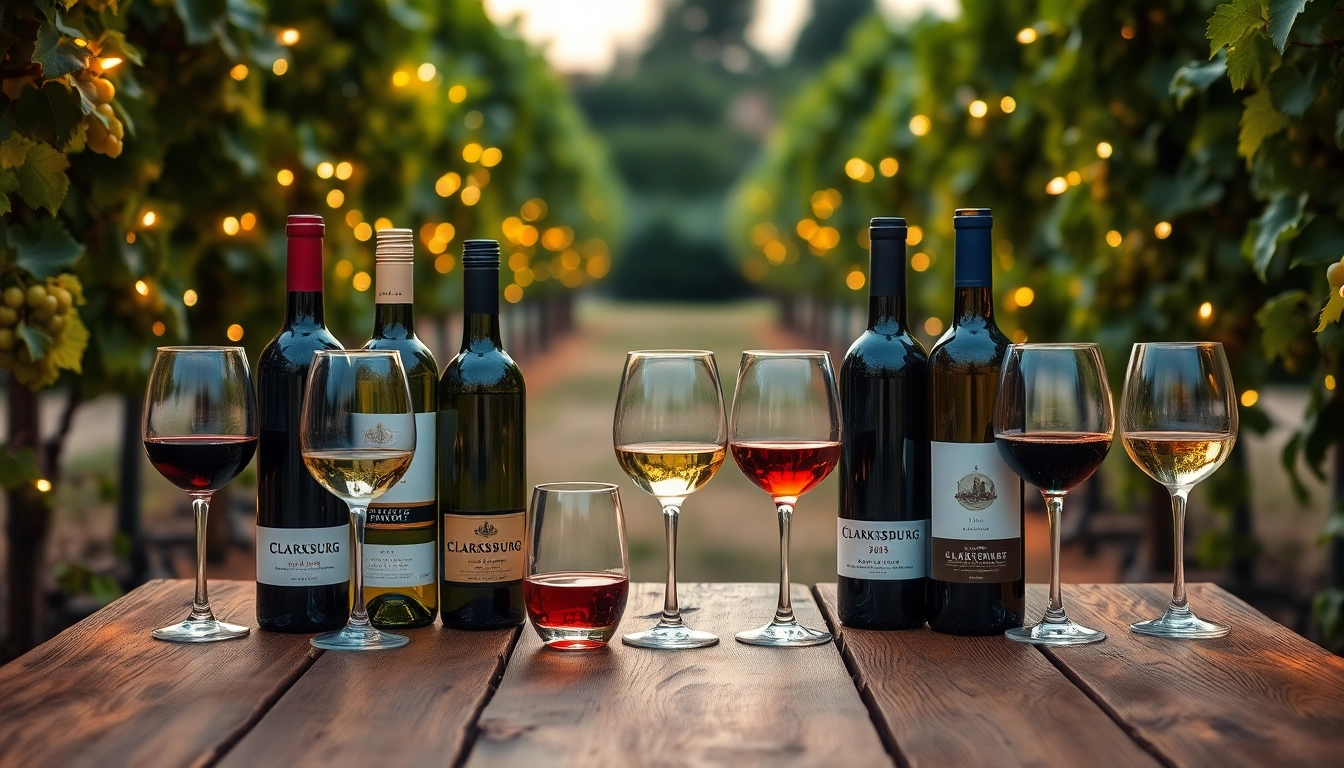
Discovering the Unique Essence of Clarksburg Wines
The Rich Heritage of Clarksburg Wines
Nestled in the vibrant heart of California’s wine country, Clarksburg has earned its reputation as a notable wine-producing region. Known for its diverse varietals and unique terroir, Clarksburg wines embody the essence of local craftsmanship and traditions that span generations. Enthusiasts and newcomers alike are drawn to the rich heritage and high-quality offerings that Clarksburg has to offer, which can be explored further through Clarksburg wines.
The Impact of Climate on Wine Quality
The climate of Clarksburg plays a pivotal role in shaping the quality of its wines. Situated near the Sacramento River, the region benefits from a Mediterranean climate characterized by warm, dry summers and mild, wet winters. The consistent temperatures and well-distributed rainfall provide the perfect conditions for grape maturation. Additionally, the river’s influence creates a cooling effect during nighttime, allowing the grapes to ripen slowly while preserving their acidity—an essential factor in crafting balanced wines.
Leading Varietals from Clarksburg
Clarksburg is particularly known for a few standout varietals. Among them, Chenin Blanc has gained widespread acclaim for its versatility, exhibiting flavors ranging from bright citrus to honeyed notes. The region also champions Zinfandel, which features rich, jammy characteristics complemented by pepper and spice. Other notable varietals include Sauvignon Blanc, demonstrating crisp acidity, and Cabernet Sauvignon, recognized for its structured profiles. These varietals not only thrive in Clarksburg’s terroir but demonstrate how the region can produce distinctive wines that appeal to diverse palates.
Understanding the Terroir of Clarksburg
Terroir refers to the unique combination of soil, climate, and topography that influences the characteristics of the grapes. Clarksburg’s alluvial soils, enriched with minerals and organic matter, provide an ideal foundation for viticulture. The interaction between the soils and climate creates distinct flavor profiles that are a signature of the region. Vineyard elevation and proximity to water sources play a crucial role in determining how varieties express themselves, contributing to the overall identity of Clarksburg wines.
Pairing Clarksburg Wines with Food
Best Food Pairings for Red Clarksburg Wines
Choosing the right food pairing can elevate the tasting experience of red Clarksburg wines. For example, Zinfandel complements grilled meats beautifully, enhancing the savory flavors through its smoky undertones. Similarly, Cabernet Sauvignon pairs well with rich dishes, such as braised short ribs or a robust mushroom risotto, as its tannins cut through fat, balancing the meal’s richness. When exploring food pairings, consider how the wine’s body and acidity interact with the dish for a harmonious experience.
White Clarksburg Wines and Culinary Matches
White Clarksburg wines, such as Chenin Blanc and Sauvignon Blanc, offer a plethora of pairing possibilities. Chenin Blanc, with its fruit-forward character, goes well with seafood dishes, especially grilled shrimp or scallop ceviche. Meanwhile, Sauvignon Blanc’s zesty acidity pairs seamlessly with goat cheese or fresh salads, providing a refreshing contrast. When pairing whites, aim for dishes that highlight the wine’s citrus and herbal notes, creating a delightful synergy between food and drink.
Seasonal Pairing Ideas
Seasonal ingredients can enhance the enjoyment of Clarksburg wines. In spring, lighter fare, such as asparagus and pea risotto, can be complemented by a chilled Chenin Blanc. Summer barbecues featuring grilled vegetables and meats can be elevated with fresh Sauvignon Blanc. Fall is the perfect time for hearty stews, best enjoyed with a bold Cabernet Sauvignon, while winter dishes, like roasted root vegetables, can find a perfect partner in a spicy Zinfandel. Exploring seasonal pairings not only celebrates local produce but also enriches the wine-drinking experience.
A Guide to Tasting Clarksburg Wines
Step-by-Step Wine Tasting Process
Embarking on a wine tasting journey is an immersive experience. Start by choosing the right setting—preferably a quiet space where you can focus on the wine. Follow these steps: 1) Observe the color and clarity, noting any nuances. 2) Swirl the wine gently in your glass to release aromas. 3) Inhale deeply to identify various scents; this helps in recognizing smell descriptors. 4) Take a sip, letting the wine coat your palate while you assess flavor and texture. 5) Finally, reflect on the finish; how long do the flavors linger?
Recognizing Flavor Profiles
Understanding flavor profiles helps in appreciating wines more deeply. Clarksburg wines showcase a variety of tasting notes, influenced by their varietals and terroir. For instance, a Chenin Blanc may exhibit layers of citrus and floral aromas, complemented by hints of stone fruit on the palate. Conversely, a Cabernet Sauvignon might reveal dark fruit, spice, and herbal undertones. Familiarizing yourself with common descriptors empowers you to articulate your preferences better and enhances your overall wine enjoyment.
Tips for Hosting Wine Tastings
Hosting a successful wine tasting requires thoughtful planning. Begin by selecting a theme—perhaps focusing on Clarksburg wines or a specific varietal. Create a comfortable setting with good lighting and a pleasant ambiance. Provide palate cleansers, such as crackers or bread, and consider pairing wines with small bites. Utilize tasting cards to help guests note their impressions. Finally, encourage open discussion about the wines, allowing everyone to share their thoughts and enhance the communal experience.
Buying and Storing Clarksburg Wines
Where to Purchase Authentic Clarksburg Wines
To ensure you’re purchasing authentic Clarksburg wines, explore local wineries and reputable retailers specializing in California wines. Many wineries in the Clarksburg region offer direct shipping or have online shops, allowing enthusiasts to obtain unique releases that may not be widely available. Alternatively, high-quality wine shops often curate selections from specific regions, making it easier to discover exceptional Clarksburg bottlings. Always verify that the sources have a good reputation for offering genuine products.
Proper Storage Techniques
Storing wines properly preserves their quality and enhances their aging potential. Store Clarksburg wines in a cool, dark place, ideally at a constant temperature between 50°F and 55°F. Keep bottles horizontally to maintain moisture on the cork and prevent air from seeping in. Humidity levels should ideally be between 60% and 70%. Avoid exposing wines to fluctuations in temperature or direct sunlight, as these factors can negatively affect their integrity.
Understanding Wine Labels
Deciphering wine labels can enhance your purchasing experience. A Clarksburg wine label will typically feature the varietal, vintage, and name of the winery. Additionally, look for indicators of quality, such as vineyard designations or ratings. Learning about specific terms—like ‘old vine’ or ‘reserve’—can provide insights into the wine’s production methods. Familiarizing yourself with label terminology empowers you to make informed choices when selecting Clarksburg wines.
Exploring Upcoming Clarksburg Wine Events
Annual Wine Festivals in Clarksburg
Clarksburg hosts a variety of wine festivals that celebrate the region’s viticulture and community spirit. These events gather local wineries and vineyards, providing an opportunity to sample an array of wines. Attendees can engage with winemakers, participate in educational seminars, and enjoy culinary pairings. Such festivals not only highlight Clarksburg wines but also showcase local artisans and businesses, enriching the regional culture.
Wine Tours and Tastings
Wine tours and tastings are an excellent way to immerse yourself in Clarksburg’s wine culture. Many wineries offer guided experiences, where visitors can learn about the winemaking process, explore vineyards, and taste a selection of their offerings. Engaging with knowledgeable staff can deepen your understanding of the wines and enhance your appreciation of the region’s unique terroir. It also provides a chance to discover lesser-known wine producers and their exceptional creations.
Community Events Celebrating Clarksburg Wines
The Clarksburg community thrives on events that celebrate their local wines. Beyond festivals, look for community gatherings and farmers’ markets that feature local wine tasting opportunities. These events foster connections between winemakers and consumers, creating a sense of belonging within the wine community. Participating in these gatherings not only cultivates a deeper appreciation for Clarksburg wines but also supports local economies and traditions.
Frequently Asked Questions
What makes Clarksburg wines unique?
Clarksburg wines are distinguished by their diverse varietals, unique terroir, and favorable climate, which all contribute to richly flavored wines that reflect the region’s character.
How should I store Clarksburg wines at home?
Store Clarksburg wines in a cool, dark place with a stable temperature of 50°F to 55°F. Keep bottles horizontal to maintain cork moisture and prevent oxidation.
What food pairs well with Clarksburg Zinfandel?
Clarksburg Zinfandel pairs excellently with grilled meats and barbecue dishes, enhancing savory flavors with its fruity and spicy notes.
Are there wine tours available in Clarksburg?
Yes, Clarksburg offers various wine tours, where visitors can explore vineyards, learn about winemaking, and taste a selection of wines.
When are wine festivals held in Clarksburg?
Clarksburg hosts annual wine festivals that showcase local wineries, offer tastings, and feature culinary experiences, generally occurring during the harvest season.