
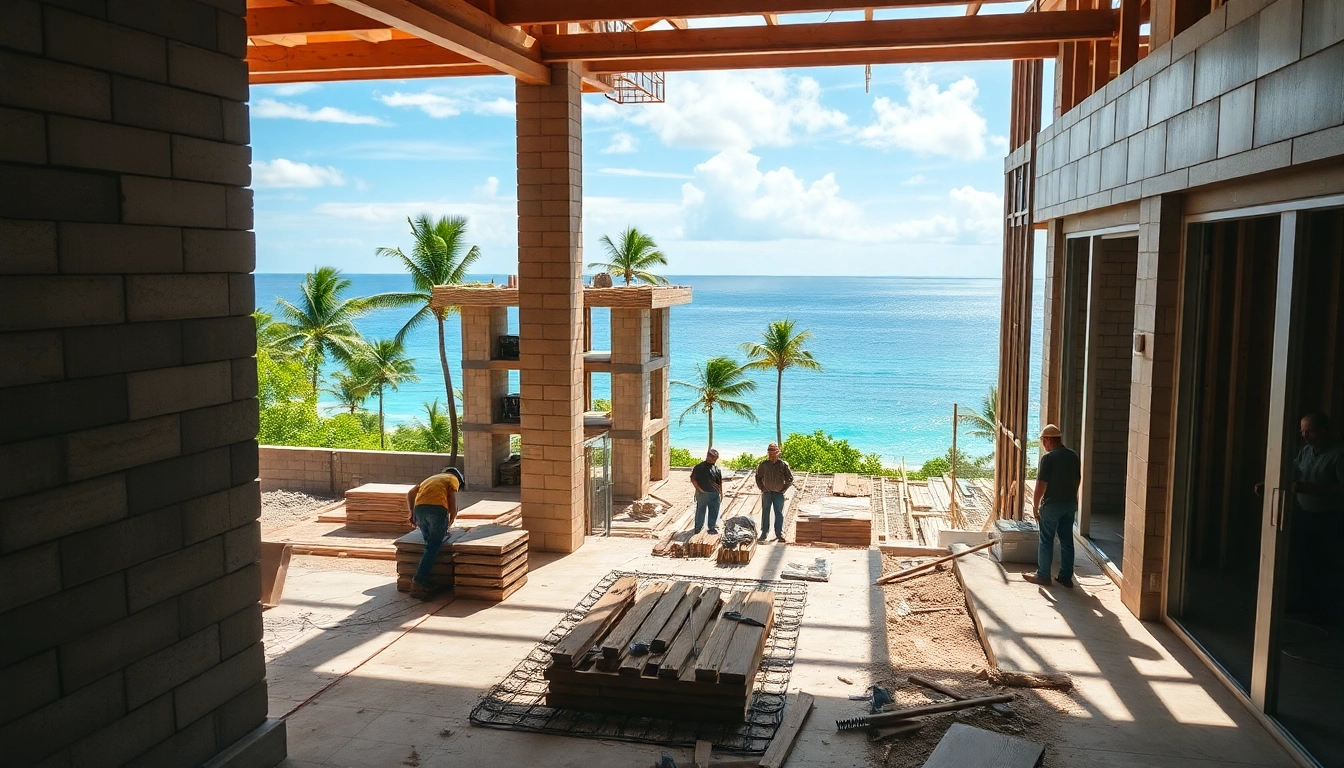
Current Trends in Hawaii Construction News Impacting Local Projects
Understanding the Landscape of Hawaii Construction News
The construction industry in Hawaii is currently in a dynamic phase of transformation, influenced by various factors including technological advancements, regulatory changes, and shifting community expectations. Staying informed about hawaii construction news is vital for stakeholders, from builders to policymakers, as these developments directly impact local projects and the economy.
Overview of Recent Developments
In recent years, Hawaii’s construction landscape has seen a resurgence in both commercial and residential projects. After a period marked by economic uncertainty, the island’s infrastructure is experiencing renewed investment. Key areas of focus include affordable housing, sustainable development, and revitalizing aging infrastructure. The construction boom has been supported by federal funding, which provides opportunities for large-scale projects that are critical for accommodating Hawaii’s growing population.
Key Influencers in the Construction Industry
Several entities play pivotal roles in shaping Hawaii’s construction industry, including government agencies, private developers, and community organizations. The Department of Land and Natural Resources actively influences land use policies, while local contractors and construction firms drive innovation in building techniques. Community engagement groups have also emerged as vital stakeholders, advocating for sustainable practices and the incorporation of local needs into project planning.
Challenges Facing Hawaii’s Construction Sector
Despite the optimism surrounding construction in Hawaii, several challenges persist. High material costs, labor shortages, and regulatory hurdles can complicate project timelines and budgets. Moreover, environmental concerns, particularly related to coastal erosion and climate change, pose additional challenges for developers looking to meet both community and sustainability goals. Understanding these challenges is crucial for effective project management and long-term success.
The Role of Technology in Hawaii Construction News
Emerging Tools and Techniques
As the construction industry evolves, technology plays an increasingly critical role. Emerging tools like Building Information Modeling (BIM), drones for site inspections, and advanced project management software are becoming integral to improving efficiency and accuracy. Contractors in Hawaii are beginning to adopt these technologies to streamline workflows, reduce costs, and enhance safety measures on-site.
Impact of Digital Innovation on Projects
Digital innovation is not only transforming individual projects but also the entire construction landscape in Hawaii. With technologies like augmented reality (AR) and virtual reality (VR), contractors can visualize projects before they break ground, allowing for better planning and design alignment with client expectations. Additionally, digital platforms for collaboration enhance communication among stakeholders, reducing misunderstandings and promoting cohesive teamwork.
Future Prospects for Technological Integration
Looking ahead, the integration of technology in construction is expected to accelerate, driven by the demand for greater efficiency and sustainability. As advancements continue, Hawaii’s construction sector may see an increase in smart building practices, where IoT devices optimize energy usage and resource management. This forward-thinking approach can improve not only project outcomes but also contribute to Hawaii’s long-term environmental goals.
Regulatory Changes and Hawaii Construction News
Overview of Recent Laws and Policies
Recent regulatory changes in Hawaii have addressed various aspects of construction, from environmental compliance to building safety standards. Key updates include stricter environmental regulations aimed at minimizing ecological impact and enhancing building codes to improve safety features. Understanding these laws is essential for contractors to ensure compliance and avoid costly penalties.
Implications for Builders and Developers
The evolving regulatory landscape presents both challenges and opportunities for builders and developers. While increased regulations can complicate project approval processes, they also drive a shift toward more sustainable practices. Developers who stay informed and adapt to these changes can position themselves competitively and earn community support. This requires proactive planning and collaboration with regulatory bodies and local stakeholders.
Strategies for Compliance and Adaptation
Compliance with new regulations necessitates a strategic approach. Builders should invest in training and development for their teams to keep abreast of legal requirements. Additionally, establishing strong lines of communication with local government representatives can facilitate smoother processes. Engaging in community forums and seeking public input on projects can also enhance transparency and foster goodwill.
Sustainable Practices in Hawaii Construction News
Importance of Eco-Friendly Materials
The demand for sustainable construction practices is growing in Hawaii, driven by both environmental concerns and community advocacy. Utilizing eco-friendly materials such as bamboo, recycled steel, and low-impact concrete can significantly reduce the carbon footprint of construction projects. Moreover, these materials often lead to long-term savings in energy and maintenance costs, benefiting builders and homeowners alike.
Community Benefits of Sustainable Development
Adopting sustainable practices not only benefits the environment but also enhances community well-being. Sustainable developments can yield improvements in air quality, public health, and local biodiversity. Furthermore, these projects often involve community engagement, resulting in designs that reflect the needs and identities of local residents, thereby strengthening community ties and ensuring project longevity.
Examples of Successful Green Projects
Numerous projects across Hawaii serve as exemplary models of sustainable construction. Innovative designs that incorporate renewable energy sources like solar panels or utilize water-efficient landscaping showcase how sustainability can be effectively integrated. Such projects not only meet local regulations but also demonstrate a commitment to fostering a healthier environment for future generations.
Community Engagement and Hawaii Construction News
Encouraging Local Participation in Projects
Community engagement is a crucial component of successful construction projects in Hawaii. Involving local residents in the planning process can lead to better project outcomes that reflect the needs and desires of the community. Strategies such as public forums, surveys, and workshops can be employed to gather feedback and foster a sense of ownership among community members.
Methods for Effective Communication
Establishing effective communication channels is essential for managing community expectations and addressing concerns. Regular updates through newsletters, social media platforms, and community boards can keep stakeholders informed about project developments. Moreover, employing collaborative tools that facilitate dialogue can enhance trust and transparency, crucial elements in gaining community support.
Evaluating Community Impact
Once projects are underway, assessing their impact on the community becomes vital. Conducting social surveys and environmental assessments can provide insight into how development affects local residents and ecosystems. This feedback not only evaluates project success, but it also garners information that can improve future developments, making community engagement a continuous process rather than a one-time event.
FAQs
What are the latest trends in Hawaii construction news?
The latest trends include sustainable building materials, advanced technology integration, and community-based projects.
How is technology shaping Hawaii construction news?
Technology facilitates better project management, enhances safety, and improves efficiency through innovative tools.
What regulatory changes impact Hawaii construction?
Recent changes include new environmental regulations and building codes aimed at improving sustainability and safety in construction.
Why is community engagement crucial in construction projects?
Community engagement ensures projects meet local needs, enhances transparency, and fosters collaboration among stakeholders.
How can builders promote sustainable practices?
Builders can promote sustainability by using eco-friendly materials, minimizing waste, and involving community feedback in design.