
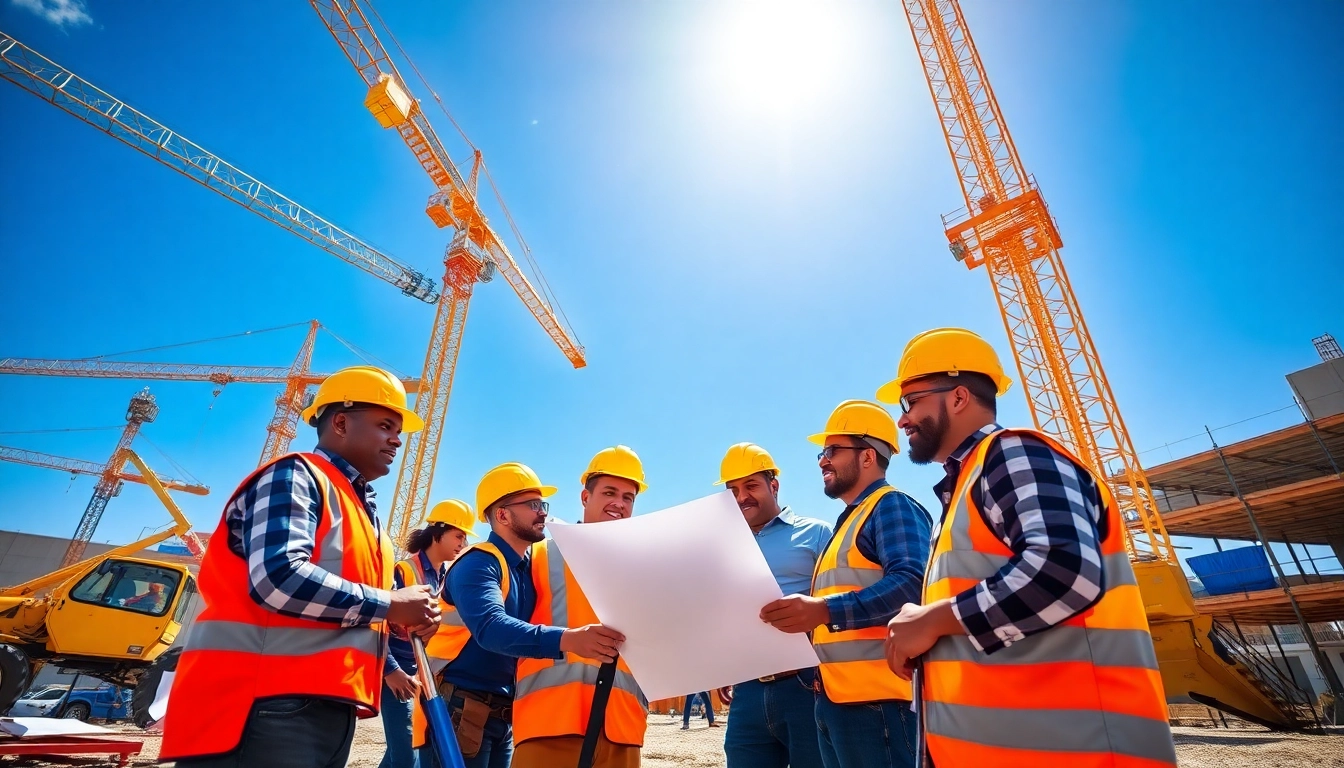
Building Success: Hiring a New Jersey Commercial General Contractor for Your Next Project
- Understanding the Role of a New Jersey Commercial General Contractor
- Choosing the Right New Jersey Commercial General Contractor
- The Process of Working with a New Jersey Commercial General Contractor
- Common Challenges with General Contracting in New Jersey
- FAQs About New Jersey Commercial General Contractors
Understanding the Role of a New Jersey Commercial General Contractor
Definition and Responsibilities
A New Jersey Commercial General Contractor is a licensed professional responsible for overseeing the construction and renovation of commercial properties. Their core responsibilities encompass managing the entire project, from initial planning and design through to completion and handover. This includes coordinating subcontractors, obtaining permits, adhering to safety regulations, and ensuring that the project meets both the client’s specifications and building codes.
Benefits of Hiring a General Contractor
Hiring a general contractor provides several advantages for business owners. Firstly, they bring a wealth of industry knowledge and experience, saving time and reducing the risks associated with construction projects. General contractors manage schedules and budgets efficiently, helping to prevent costly overruns. Moreover, their established networks with subcontractors often lead to better pricing and reliable workmanship, ensuring a smooth project execution.
Key Skills and Qualifications
Effective general contractors possess a unique combination of skills and qualifications. Strong communication and organizational skills are essential, enabling them to manage teams and projects effectively. Additionally, they should have a deep understanding of construction methods, relevant building codes, and legal regulations. Experience in financial management, combined with negotiation skills, is crucial for maintaining budgetary constraints and vendor contracts.
Choosing the Right New Jersey Commercial General Contractor
Researching Potential Contractors
The first step in selecting a suitable general contractor involves comprehensive research. Start by compiling a list of potential candidates through online searches, referrals from industry contacts, or professional associations. Websites that showcase contractor portfolios can also serve as valuable resources. Pay close attention to their experience with projects similar to yours in scale, scope, and industry type.
Evaluating Past Projects and Reviews
Once a shortlist of candidates is established, delve deeper by evaluating their past projects. Look for case studies or testimonials that highlight their strengths, challenges overcome, and client satisfaction. Online reviews can provide insight into their reputation and reliability. Check professional rankings or ratings from construction industry groups for further validation of their expertise.
Asking the Right Questions
During interviews with potential contractors, it’s essential to ask targeted questions that reveal their experience and approach. Inquire about their project management style, communication practices, and how they handle issues that arise. Questions regarding their licensing, insurance, and safety procedures are also critical. Assessing their responsiveness and willingness to collaborate can provide clues about their professionalism.
The Process of Working with a New Jersey Commercial General Contractor
Initial Consultation and Project Scope
The collaborative process begins with an initial consultation where clients share their vision and objectives. During this phase, a New Jersey Commercial General Contractor will help define the project scope, including specifications related to design, materials, and intended use of the space. A clear project plan is essential for ensuring all parties are aligned from the outset.
Budgeting and Timeline Management
Effective budgeting is critical to the success of any construction project. Contractors often provide detailed cost estimates based on materials, labor, and associated expenses. Moreover, a well-structured timeline lays out key milestones, helping to keep the project on schedule. Continuous monitoring by the contractor ensures that adjustments can be made promptly to address any delays or budget discrepancies.
Communication and Project Updates
Frequent communication between clients and contractors is vital throughout the construction process. Regular updates regarding progress, setbacks, and potential changes foster a trusting relationship. Many contractors utilize project management tools or software to facilitate transparency, allowing clients to track milestones and budget expenditures in real-time.
Common Challenges with General Contracting in New Jersey
Dealing with Permits and Regulations
Navigating the maze of permits and building regulations can be daunting. Each municipality in New Jersey has its unique requirements, necessitating a thorough understanding of local laws. A knowledgeable general contractor will manage these complexities, ensuring all necessary permits are secured and that the project adheres to pertinent codes, thereby averting potential legal pitfalls.
Managing Unexpected Changes
Construction projects are often subject to unexpected changes due to factors such as site conditions, design modifications, or supply chain disruptions. A proactive New Jersey Commercial General Contractor implements change management strategies that include evaluating the impact of alterations on the project schedule and budget. Effective communication is critical to align all parties on any necessary changes.
Ensuring Quality and Safety Standards
Maintaining quality and safety on the job site is non-negotiable. Contractors are responsible for enforcing safety protocols and ensuring compliance with occupational safety regulations. This involves conducting regular safety audits, training personnel, and monitoring adherence to quality standards. A reputable contractor prioritizes both quality craftsmanship and worker safety to mitigate risks associated with construction environments.
FAQs About New Jersey Commercial General Contractors
What is the typical cost of hiring a general contractor?
The cost varies greatly depending on project size, complexity, and contractor experience. Average rates can range from 10% to 20% of the total project cost.
How long does a typical project take to complete?
Project timelines depend on scope and scale, but most commercial projects can take anywhere from a few months to over a year.
What licenses should a general contractor have?
Check for a valid New Jersey contractor’s license, insurance, and bonding to ensure they meet local regulations.
Can I hire a contractor for just part of a project?
Yes, contractors can be hired for specific phases, such as management or subcontracting specific tasks, depending on your needs.
How often should I communicate with my contractor?
Regular communication is vital; discuss project updates at least weekly to stay informed on progress and any potential issues.