
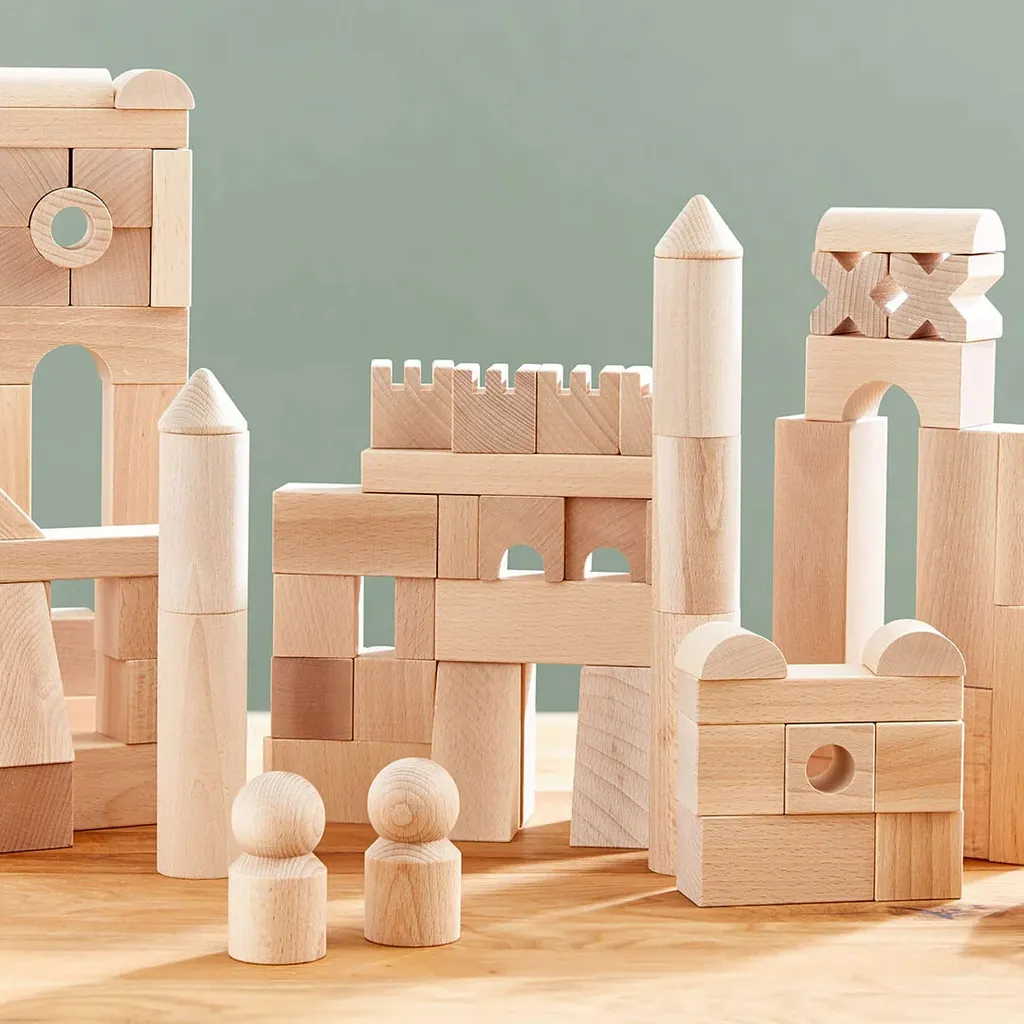
Giant Building Blocks can transform an ordinary indoor space into an exciting construction zone where children can create, experiment, and explore. Giant Building Blocks are designed to give young builders large pieces that are easy to handle and suitable for imaginative projects. Whether children want to build a castle, tower, garage, fort, or miniature city, Giant Building Blocks encourage hands-on creativity without relying on screens. With Giant Building Blocks, indoor play becomes an opportunity to combine construction fun, imaginative storytelling, problem-solving, and active movement in one engaging experience.
Why Choose Giant Building Blocks for Indoor Construction?
Indoor construction play gives children the freedom to create structures while remaining in a familiar environment. When the weather is rainy, cold, or unsuitable for outdoor activities, a dedicated building area can provide hours of entertainment.
Large construction pieces are especially appealing because children can quickly see their ideas taking shape. Instead of spending a long time assembling tiny components, they can stack and arrange oversized pieces to create larger structures.
Giant Building Blocks also support open-ended play. There is no single way to use them, meaning children can rebuild the same pieces into something completely different during every play session.
Easy-to-Handle Construction Pieces
The larger format of these building toys can make them easier for young children to grasp, carry, position, and rearrange. Their size can also make completed structures easier to see, giving children a stronger sense of accomplishment.
Parents should always select blocks that are appropriate for the child's age and abilities. Following product instructions and maintaining a clear play area are important parts of responsible indoor construction. For more information about large building blocks for kids, explore their features, benefits, age suitability, and role in encouraging imaginative and educational play.
Building Creativity Through Hands-On Play
Construction activities encourage children to turn ideas into physical structures. A child may imagine a tall tower and then figure out how to create a stable base before adding additional pieces.
Giant Building Blocks make this process highly interactive. Children can test different arrangements, discover what works, and modify their designs when something does not go as planned.
This trial-and-error process helps children understand that mistakes are part of learning. A structure that falls down can become a reason to experiment with a wider foundation, different shapes, or a new construction method.
From Simple Towers to Giant Forts
A simple tower can be the beginning of a much bigger project. Children can add walls, rooms, doors, and decorative features to transform basic construction into a pretend building.
A fort is another popular option. Children can create a low structure that becomes a reading corner, imaginary headquarters, campsite, or secret hideaway.
Giant Building Blocks allow these structures to be redesigned repeatedly, so children are not limited to one type of activity.
Educational Benefits of Construction Play
Building toys can provide valuable learning experiences while children are having fun. Construction involves planning, spatial reasoning, coordination, and problem-solving.
Children must think about where each piece belongs and how different components can work together. They may compare sizes, recognize shapes, and determine which arrangement creates a more stable structure.
Giant Building Blocks can therefore support early STEM-related concepts in an informal and enjoyable way. Children begin exploring balance, structure, measurement, and cause-and-effect through practical experimentation.
Developing Problem-Solving Skills
When a structure collapses, children have a natural problem to solve. They can ask themselves why it happened and decide what they should change.
This encourages persistence. Instead of immediately abandoning a project, children can try another design and learn from the result.
Parents can support this process by asking questions rather than providing immediate answers. Questions such as “What could make the base stronger?” encourage children to think independently.
Indoor Construction Ideas for Children
There are countless ways to use large building pieces indoors. Giving children a theme can provide inspiration while still allowing them to make their own decisions.
Children can create a miniature neighborhood containing houses, stores, schools, roads, and parking areas. Toy cars and figures can then become part of the finished environment.
Another idea is to build an animal rescue center. Children can construct separate spaces for stuffed animals and create stories about caring for their imaginary patients.
Giant Building Blocks can also be used to create a pretend transportation station, spaceship, farm, restaurant, or superhero headquarters.
Build a Miniature City
A miniature city can become a long-term construction project. Children can begin with one building and gradually expand the environment.
They can decide where homes should go, where vehicles should travel, and what public buildings the city needs. This activity encourages organization and imaginative storytelling.
Older children can even create rules for their imaginary community, assign characters different jobs, and invent stories that take place within their city.
Encouraging Social and Cooperative Play
Construction becomes even more rewarding when children work together. Group projects require participants to communicate, share materials, listen to different ideas, and agree on a plan.
Giant Building Blocks are suitable for collaborative activities because children can contribute pieces to larger structures and work toward a shared goal.
One child might build a wall while another creates a tower. Someone else can design the interior or develop a story for the finished structure.
Team Construction Challenges
Parents can organize simple building challenges without making the activity overly competitive. Children could work together to build the longest wall, largest pretend house, or most creative vehicle station.
Another option is to give children a mystery challenge. For example, ask them to create a safe home for a stuffed animal using a limited number of pieces.
These activities encourage communication and creative problem-solving while keeping construction play exciting.
Making Indoor Play More Active
Construction play does not have to involve sitting in one place. Children naturally move around when collecting pieces, transporting blocks, arranging structures, and rebuilding designs.
Giant Building Blocks can therefore add physical movement to an indoor play session. However, children should have sufficient room to move safely around their construction area.
Parents can establish simple rules, such as walking instead of running near structures and avoiding climbing on unstable constructions.
Create a Dedicated Building Area
A dedicated construction zone helps children understand where building activities should take place. Choose an open area away from stairs, fragile objects, sharp furniture edges, and busy walkways.
A suitable floor mat or carpet can help define the area and make the space feel like a special building workshop.
Keeping the space organized also makes cleanup easier. Children can return pieces to a storage container when their project is complete.
Choosing Quality Building Toys
When selecting construction blocks, consider the child's age, interests, available indoor space, material, durability, and storage requirements.
The pieces should be appropriate for the intended age group and easy for children to handle. Parents should also inspect toys regularly and remove damaged components from use.
Giant Building Blocks can become a frequently used part of a child's play routine, so choosing suitable materials and maintaining the pieces can help support continued enjoyment.
Storage and Cleanup
A practical storage system can make construction play much easier to manage. Large containers, shelves, or designated toy areas can keep pieces together.
Children can participate in cleanup by sorting pieces according to size or shape. This turns an everyday responsibility into another learning opportunity.
Once everything is stored, the construction area is ready for the next project. The ability to start fresh encourages children to keep developing new ideas.
Frequently Asked Questions
1. What are Giant Building Blocks?
Giant Building Blocks are oversized construction pieces designed for hands-on building and imaginative play. Children can use them to create structures such as towers, forts, houses, and pretend environments.
2. What can children build with large construction blocks?
Children can create castles, garages, bridges, houses, miniature cities, towers, forts, animal shelters, shops, and many other imaginative structures.
3. Do Giant Building Blocks support educational development?
Yes. Construction activities can encourage spatial awareness, planning, coordination, problem-solving, creativity, persistence, and early understanding of structural concepts.
4. Are large building blocks suitable for group activities?
They can be, provided the blocks and play area are appropriate for the children using them. Collaborative construction can encourage communication, cooperation, sharing, and teamwork.
5. How can parents create a safe indoor construction area?
Choose an open, stable area away from stairs and hazards. Keep walkways clear, follow the manufacturer's safety guidance, use age-appropriate products, and supervise children according to their individual needs.
Conclusion
Indoor construction play gives children a productive way to stay entertained while using their imagination and developing practical skills. Giant Building Blocks provide a flexible foundation for building towers, forts, cities, castles, garages, and countless other creations.
The open-ended nature of these oversized construction toys means children can return to them repeatedly without having to repeat the same activity. Every new project can introduce another challenge, story, or creative idea.
Giant Building Blocks also provide opportunities for independent exploration and cooperative play. Children can construct on their own, collaborate with siblings, or work with parents on larger projects.
With an appropriate play environment, suitable products, and sensible safety practices, construction play can become an enjoyable part of everyday indoor life. For families looking for screen-free entertainment that combines creativity, movement, learning, and imagination, Giant Building Blocks offer an engaging way to turn indoor space into a world of construction fun.